

Most Common Eye Problems in Children and How to Treat Them
In recent years, there has been a growing awareness of the importance of early detection and treatment of eye problems in children. With technological advancements and lifestyle changes, eye conditions have become prevalent among younger populations. Recognizing these conditions early on is imperative to prevent long-term vision problems, which can impact learning and quality of life. According to the CDC, the US Preventive Services Task Force recommends that children have at least one eye exam between ages three and five to ensure optimal ocular health. By identifying issues in this early window, parents can seek out the best kids eyeglasses stores to provide the necessary corrective support. Ensuring that a child has clear vision is a fundamental part of their physical and educational development, and the support of a dedicated professional makes this process seamless and effective.
Common Causes of Amblyopia in Young Children
Amblyopia, commonly known as lazy eye, is a condition where one eye develops poorer vision than the other. It is a leading cause of visual impairment in children and can arise from various factors. One primary cause is strabismus, where misalignment of the eyes causes one to turn away and results in the brain favoring the aligned eye. Another cause is refractive error difference between the two eyes, leading one to become dominantly used over the other. Less commonly, it can be due to obstruction of vision, possibly from cataracts in infancy. Finding the right kids eyeglasses stores can help manage the refractive differences that often lead to this condition, providing a path toward balanced vision.
Early Signs and Symptoms of Visual Impairment
The initial signs of vision problems can be subtle, yet they must not be ignored. Often children may have no visible symptoms, which emphasizes the need for routine evaluations. Subtle signs may include struggling to recognize letters, recurrent squinting, or complaints of eye strain. Children may also manifest a noticeable preference for one eye, indicating the lesser-used eye may lack clarity. Parents should also be mindful if a child covers one eye to focus or has difficulty perceiving depth. When these signs appear, visiting reputable kids eyeglasses stores ensures the child receives high-quality frames that they feel confident wearing every day.
Diagnostic Procedures for Pediatric Eye Conditions
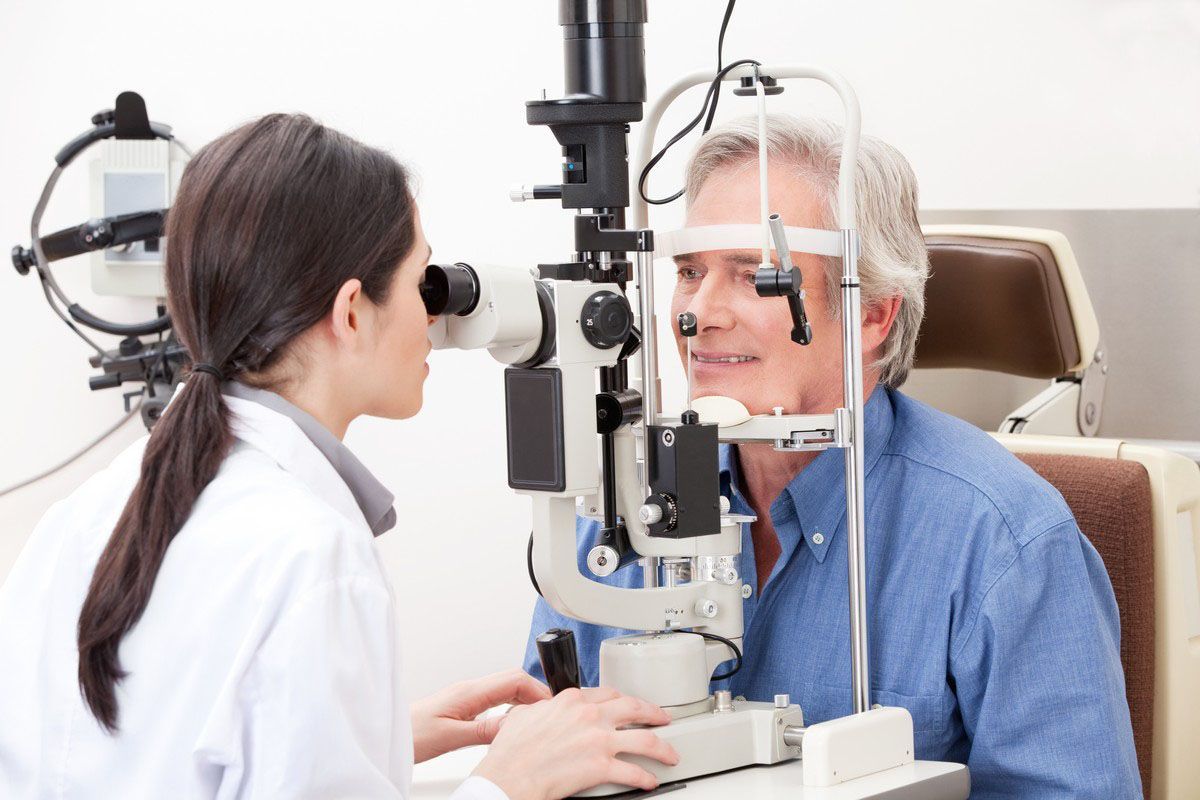
The diagnostic process generally begins with a comprehensive eye examination by a pediatric specialist. The examination includes several tests to assess vision acuity and the functioning of both eyes. Visual acuity tests involve reading letters from a chart, while more detailed assessments for children who cannot read involve examining their ability to fixate on objects. Specialized equipment may also be used to check for eye misalignment or discrepancies that contribute to the condition's development. If a prescription is required, the specialist can direct the family to kids eyeglasses stores that specialize in pediatric fittings to ensure the best possible results for the child.
Effective Treatment Options for Lazy Eye
Amblyopia treatment aims to enhance vision in the weaker eye, encouraging equal use of both eyes. One common technique is occlusion therapy, which involves covering the stronger eye with a patch for several hours a day. This compels the brain to use the weaker eye, gradually improving its strength. Another approach is atropine eye drops that temporarily blur vision in the stronger eye, inducing the weaker one to become more active. Both methods focus on consistent use, with treatments adapted to a child's specific circumstance. Many kids eyeglasses stores offer specialized products that can assist with these treatments, making the process easier for both the parent and the child.
Understanding Strabismus and Eye Muscle Alignment
Strabismus refers to a condition where the eyes do not properly align with each other when looking at an object. This misalignment can be constant or intermittent, affecting one or both eyes. Beyond cosmetic concerns, strabismus can impair binocular vision and depth perception if untreated. The earlier strabismus is detected, the more favorable the treatment outcomes. Efficient management necessitates a thorough understanding of its nature and implications. Seeking out kids eyeglasses stores that offer durable and well-fitted frames can help children who require glasses as part of their alignment therapy, ensuring they stay comfortable throughout the day.
Identifying Genetic and Environmental Risk Factors
Strabismus often arises from issues with eye muscle control, with various factors influencing its development. Genetic predispositions play a significant role, with a strong familial link reported in many cases. Children with a family history of the condition are at a higher risk, necessitating vigilant monitoring. Environmental factors also contribute, such as prolonged near tasks without appropriate breaks which can strain the eyes. Recognizing these risks allows parents to be proactive. By visiting kids eyeglasses stores early, parents can ensure their children are equipped with the latest lens technology to reduce strain and support healthy visual habits as they grow.
Surgical and Non-Surgical Treatment Modalities
The primary aim of treatment focuses on aligning the eyes to improve both visual function and appearance. Glasses or contact lenses are frequently prescribed if refractive errors are contributing to the misalignment. For more persistent or severe cases, surgery may be necessary to realign the eye muscles. Surgical intervention typically involves tightening or loosening the muscles controlling eye movement. Post-surgery, regular follow-ups and continued vision therapy often bolster success. Parents can visit kids eyeglasses stores to find specialized eyewear that protects the eyes during the recovery phase and supports long-term alignment goals through precise prescriptions.
Identifying Common Refractive Errors in Youth
Refractive errors are a group of common vision problems that cause blurred vision when the shape of the eye prevents light from focusing directly on the retina. They include myopia, hyperopia, and astigmatism, each demonstrating distinctive characteristics. Myopia, or nearsightedness, occurs when objects nearby are clear, but those further away are blurred. Hyperopia results in distant objects being more visible than those nearby. Astigmatism involves irregular curvature of the cornea, causing distorted vision. High-quality kids eyeglasses stores are essential for correcting these errors, providing children with the clarity they need to succeed in school and enjoy their favorite activities.
Impact of Growth on Pediatric Vision Development
Refractive errors arise due to the unique anatomy of each child's eye, influenced by multiple factors. Genetic predisposition is a significant determinant, with children often inheriting characteristics from their parents. Several studies indicate that rapid growth periods experienced during childhood can lead to the progression of refractive errors. As the eye develops, any irregularities in its length or curvature can contribute to impaired focus. Maintaining regular check-ups ensures abnormalities are addressed. When changes in vision occur due to growth, kids eyeglasses stores can quickly update prescriptions to ensure the child's vision remains sharp and accurate.
Prioritizing eye health is a vital component of a child's overall wellness and future success. From identifying common issues like amblyopia and strabismus to correcting refractive errors, the journey to clear vision is supported by diligent care and professional guidance. According to the CDC, the US Preventive Services Task Force suggests that all children receive at least one vision screening during the period between age 3 and 5. Adhering to these guidelines allows for early intervention that can change the trajectory of a child's life. By working closely with dedicated providers and utilizing the resources found at local optical shops, families can ensure their children see the world with clarity and confidence. For the highest quality care and a wide selection of pediatric frames, visit Medford Optical.

Share On: